There are coatings that protect a floor, and then there are coatings that transform a space entirely. Metallic epoxy belongs in the second category. With its flowing, three-dimensional patterns and mirror-like depth, metallic epoxy has become the premium statement floor for showrooms, luxury garages, commercial lobbies, and high-end residential spaces across the country. No two installations look alike — and that's exactly the point.
If you've been considering metallic epoxy for your next project, this guide covers everything you need to know: how it works, what the installation process looks like, which colors are available, where it performs best, what maintenance is required, and how much it costs.
What Is Metallic Epoxy?
Metallic epoxy is a decorative flooring system that combines metallic pigment powders with a clear, 100% solids epoxy resin. Unlike standard solid-color or flake epoxy, metallic systems create organic, flowing patterns that mimic the look of molten metal, marble veining, or even ocean currents. The effect is achieved through the interaction of metallic pigments with the epoxy as it cures — the pigments settle, shift, and layer within the resin to produce depth and movement that simply cannot be replicated with any other coating system.
Each installation is genuinely one-of-a-kind. The pigments respond to ambient temperature, application technique, and coating thickness, which means every floor develops its own unique pattern. This is what gives metallic epoxy its signature "liquid metal" appearance — a luminous, high-gloss surface with three-dimensional depth that catches and reflects light from every angle.
No two installations look alike — and that's exactly the point. Each floor develops its own unique pattern, creating a one-of-a-kind "liquid metal" appearance.
The Installation Process
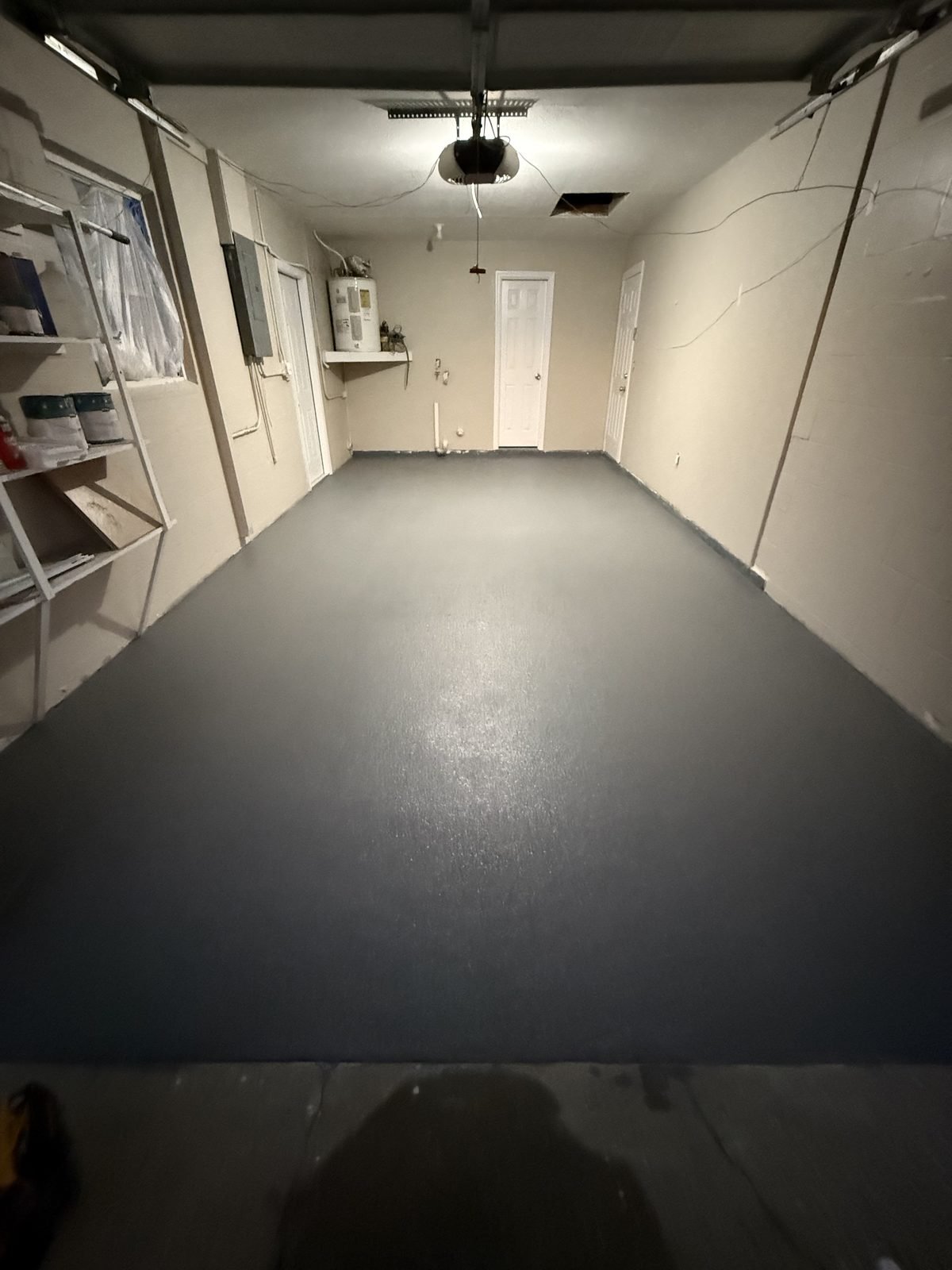
Metallic epoxy is not a DIY project. The system demands precise surface preparation, controlled environmental conditions, and skilled application technique. Here's how professional installers approach it:
Step 1: Diamond Grinding to CSP 2-3
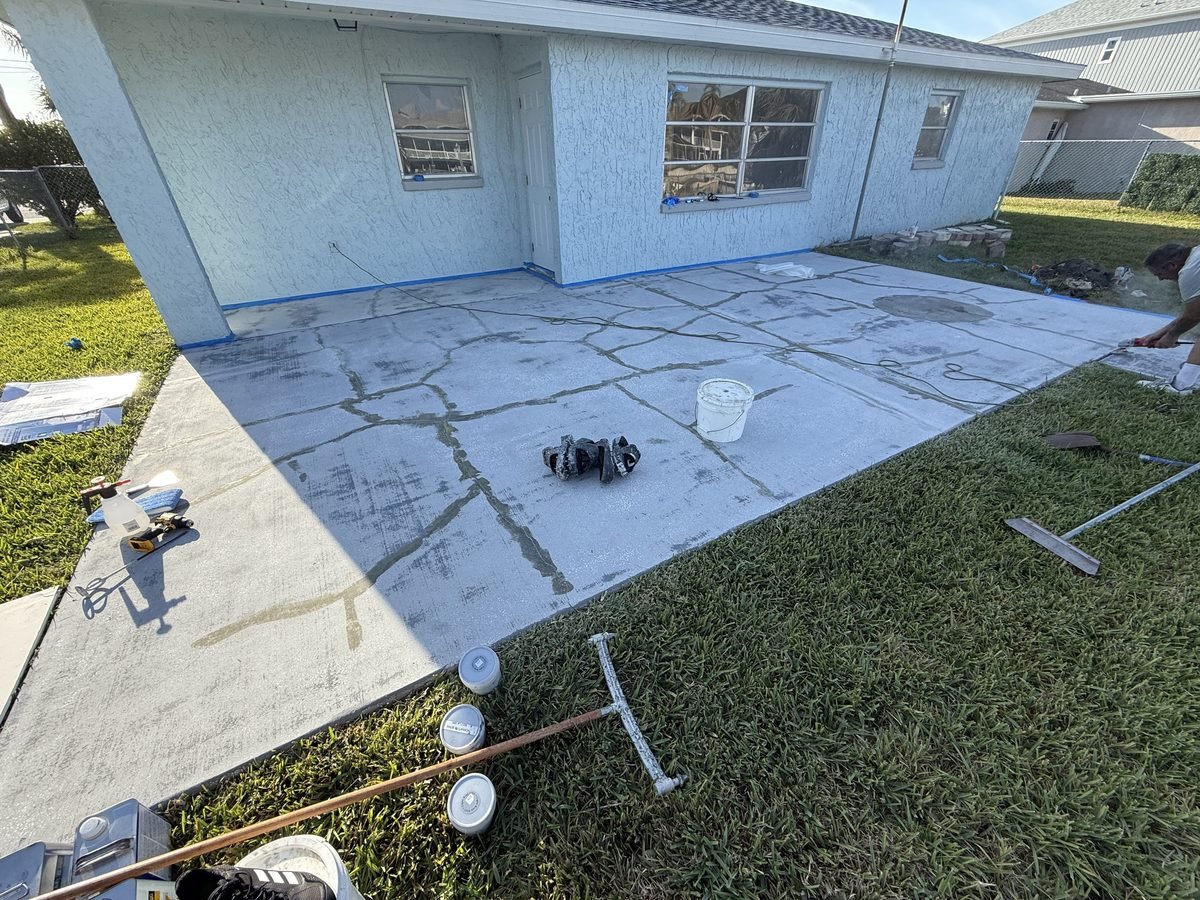
Every metallic epoxy installation begins with mechanical surface preparation. The concrete slab is diamond-ground to a Concrete Surface Profile (CSP) of 2-3, which opens the pores of the concrete and creates the mechanical bond necessary for permanent adhesion. Acid etching is never acceptable for 100% solids systems — it simply does not provide a sufficient profile for long-term performance.
Step 2: Moisture Testing (ASTM F2170)
Before any coating is applied, the slab is tested for moisture per ASTM F2170 standards using in-situ relative humidity probes. Excess moisture vapor is the leading cause of epoxy delamination nationwide. If moisture levels exceed manufacturer specifications, a vapor mitigation system is installed before proceeding.
Step 3: Primer Coat
A penetrating epoxy primer is rolled onto the prepared concrete to seal the surface and provide a bonding bridge between the slab and the metallic epoxy layer. The primer fills micro-pores left by diamond grinding and ensures a uniform, bubble-free base for the decorative coat.
Step 4: Metallic Epoxy Application
This is where the artistry happens. The metallic pigment is blended into clear 100% solids epoxy resin, then applied to the primed surface using a combination of rollers, squeegees, and specialty techniques. Installers manipulate the coating while it's still wet — using denatured alcohol misting, directional rolling, or heat application — to encourage the metallic particles to flow, swirl, and create organic patterns. Timing is critical: the epoxy has a limited working window before it begins to gel, so experienced crews work in coordinated sections to maintain a consistent look across the entire floor.
Installers manipulate the coating while it's still wet — using denatured alcohol misting, directional rolling, or heat application — to encourage the metallic particles to flow, swirl, and create organic patterns.
Step 5: UV-Stable Topcoat
Once the metallic epoxy has fully cured, a UV-stable polyaspartic or polyurethane topcoat is applied. This clear coat serves three purposes: it protects the metallic layer from abrasion and chemical exposure, it prevents yellowing from UV radiation, and it provides the high-gloss or satin sheen that defines the finished floor. Without a UV-stable topcoat, metallic epoxy will amber and lose its visual impact within months of exposure to sunlight.
Color Options
Metallic epoxy is available in a wide range of colors, each producing a dramatically different look depending on application technique and layering. The most popular metallic epoxy colors include:
- Silver — Clean, modern, and industrial. The most popular choice for garages and commercial spaces.
- Copper — Warm, rich tones with a molten-metal aesthetic. Ideal for lobbies and high-end retail.
- Pearl White — Elegant and luminous with a soft, marble-like appearance. A favorite for luxury residential spaces.
- Charcoal — Deep and dramatic with a smoky, high-contrast finish. Perfect for entertainment areas and showrooms.
- Ocean Blue — Vibrant and flowing, evoking water movement and coastal energy. Striking in commercial entries.
- Champagne Gold — Sophisticated warmth with subtle shimmer. Popular for upscale restaurants, salons, and boutiques.
Colors can also be blended or layered to create custom multi-tone effects — copper and charcoal for a volcanic look, pearl white and silver for a glacier effect, or ocean blue and champagne gold for something entirely unique.
Best Applications
Metallic epoxy performs best in spaces where visual impact is as important as durability. The most common applications include:
- Showrooms and dealerships — The reflective surface amplifies lighting and creates a premium environment that elevates the products on display.
- Lobbies and commercial entries — First impressions matter. A metallic epoxy lobby floor communicates quality and professionalism before a single word is spoken.
- Retail spaces — The seamless, high-gloss surface is easy to maintain and gives retail environments a boutique-level finish.
- High-end residential garages — For homeowners who want their garage to feel like an extension of their home, metallic epoxy delivers a showroom-quality finish that handles hot tires, chemicals, and daily traffic.
- Man caves and entertainment areas — Basements, game rooms, and home bars look dramatically different with a flowing metallic floor underfoot. It's the kind of detail guests notice immediately.
Maintenance
One of the biggest advantages of metallic epoxy is how easy it is to maintain. The sealed, non-porous surface resists stains, spills, and chemical exposure. For daily care, a dust mop or soft-bristle broom removes debris without scratching the topcoat. For deeper cleaning, a damp mop with a pH-neutral cleaner is all that's needed — no waxing, no stripping, no specialty products. Avoid harsh abrasives and ammonia-based cleaners, which can dull the gloss over time. With proper care, a professionally installed metallic epoxy floor will maintain its showroom appearance for 10 to 20 years.
Cost
Metallic epoxy is a premium system, and the pricing reflects the level of craftsmanship involved. Most professional installations fall between $7 and $18 per square foot, depending on several factors:
| Factor | Impact on Price |
|---|---|
| Floor size | Larger floors lower per-sqft cost |
| Concrete condition | Cracks, coatings, or moisture issues add prep time |
| Color complexity | Multi-color blends and custom effects cost more |
| Topcoat type | Polyaspartic topcoats cost more than polyurethane |
| Access and logistics | Multi-story or difficult-access areas increase labor |
While metallic epoxy costs more than standard solid-color or flake systems, the visual result is in an entirely different league. For spaces where aesthetics drive revenue — showrooms, retail, hospitality — the return on investment is immediate and measurable.
The Bottom Line
Metallic epoxy isn't just a floor coating — it's a design element. When installed by experienced professionals with proper surface preparation, moisture testing, and UV-stable topcoats, it delivers a finish that is as durable as it is visually stunning. No two floors are the same. Every installation is a one-of-a-kind surface engineered to outlast and outperform.
Metallic epoxy isn't just a floor coating — it's a design element. Every installation is a one-of-a-kind surface engineered to outlast and outperform.
Ready to get started?
Get your free on-site assessment and see what metallic epoxy can do for your space.
Get Your Free Assessment →